
Understanding Renewable Energy and Environmental Protection
Renewable energy plays a vital role in protecting the environment by reducing dependence on fossil fuels and lowering carbon emissions. Energy generated from solar power, wind energy, hydropower, geothermal energy, and biomass produces significantly fewer greenhouse gases compared to conventional energy sources. As global concerns about climate change, air pollution, and sustainability continue to grow, renewable energy has become an essential solution for governments, industries, and households seeking cleaner alternatives. Investing in clean energy not only supports environmental protection but also creates long-term economic and social benefits.
Environmental Benefits of Renewable Energy
The widespread adoption of renewable energy contributes directly to cleaner air, healthier ecosystems, and improved public health. Unlike coal and oil, renewable sources generate electricity without releasing large amounts of harmful pollutants that contribute to global warming and poor air quality. Renewable energy also helps conserve natural resources by reducing the need for continuous extraction of fossil fuels. Additionally, sustainable energy systems require less water for operation, helping preserve freshwater resources while protecting biodiversity and natural habitats from environmental degradation.
Renewable Energy Technologies Driving Sustainability
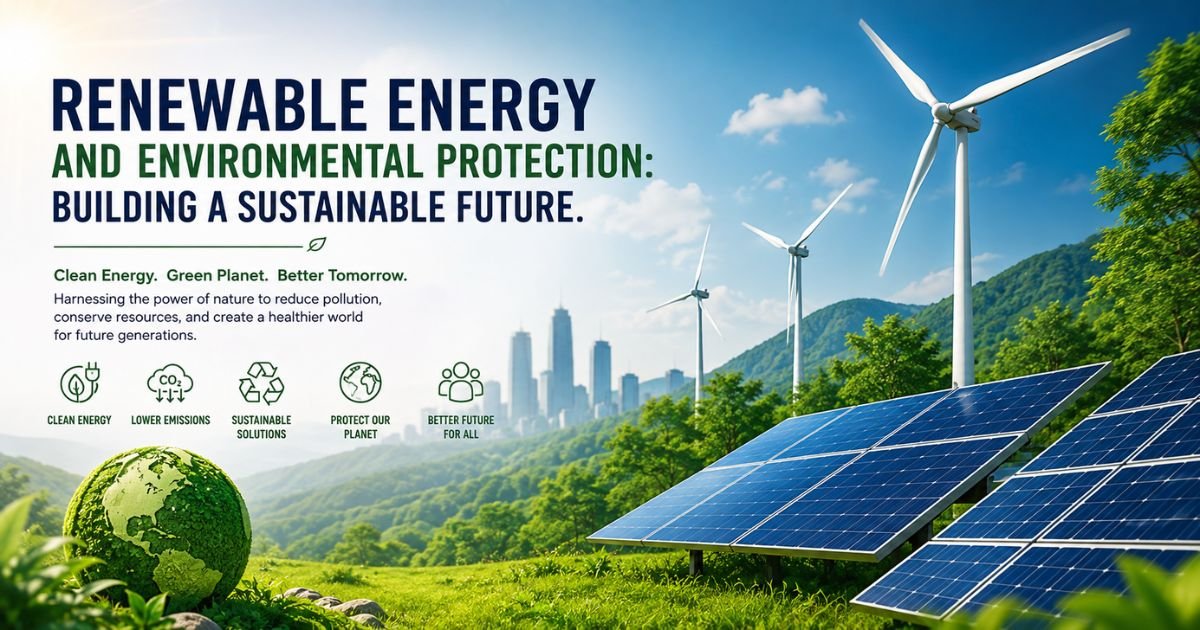
Modern renewable energy technologies are becoming more efficient and affordable, making them accessible to businesses and communities worldwide. Solar panels, wind turbines, energy storage systems, and smart grids enable organizations to reduce energy costs while improving operational efficiency. Many industries are integrating green energy solutions into their sustainability strategies to meet environmental regulations and corporate ESG goals. Advances in clean technology continue to accelerate the transition toward a low-carbon economy, encouraging innovation while reducing the environmental impact of industrial and commercial activities.
Building a Sustainable Future with Clean Energy
Environmental protection requires long-term commitment, and renewable energy is one of the most effective tools for achieving a sustainable future. Governments, businesses, and individuals can contribute by investing in renewable energy infrastructure, improving energy efficiency, and adopting environmentally responsible practices. As demand for clean energy, renewable resources, and sustainable development continues to rise, the transition to greener energy systems will play a critical role in reducing climate risks and protecting future generations. By embracing renewable energy today, society can create a cleaner, healthier, and more resilient environment for years to come.