
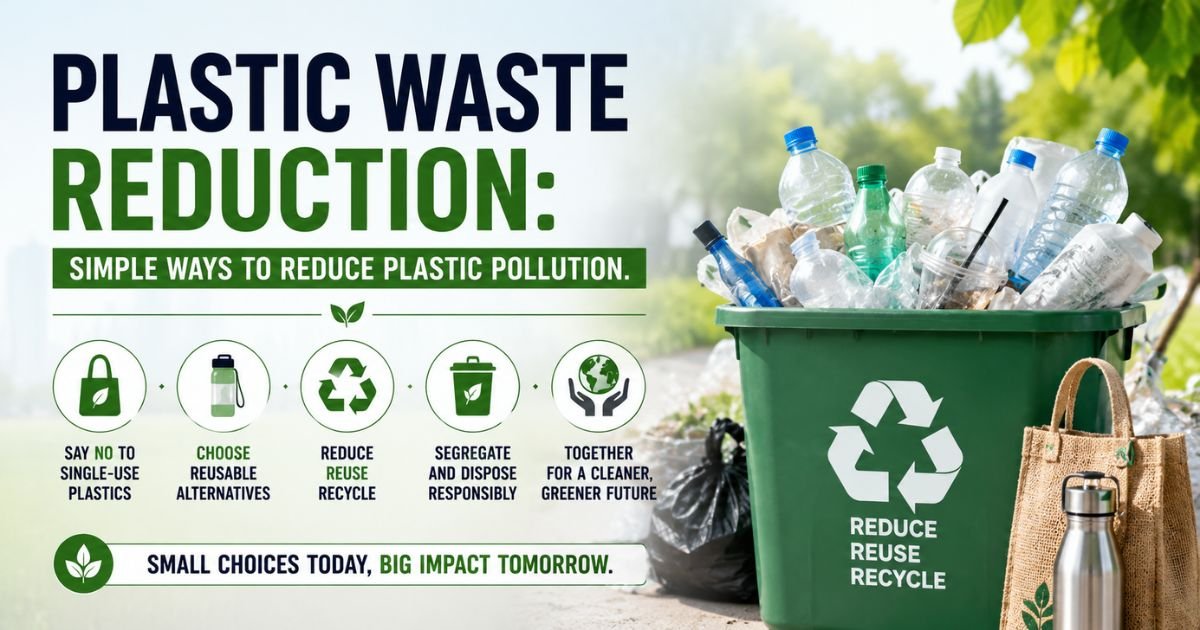
1. Why Plastic Waste Is a Growing Problem
Plastic is used in almost every part of daily life, from packaging and shopping bags to bottles and household products. The problem begins when plastic is thrown away without proper collection or recycling. Plastic waste management helps reduce the amount of waste that reaches landfills, rivers, and oceans. Reducing unnecessary plastic use is also an important step toward creating cleaner and more sustainable communities.
2. Reducing Plastic at the Source
The easiest way to manage plastic waste is to reduce its use before it becomes waste. People can choose reusable bags, bottles, containers, and other long-lasting products instead of single-use plastic items. Businesses can also use sustainable packaging and reduce unnecessary wrapping. These simple changes can support plastic waste reduction and help households and companies move toward more responsible consumption.
3. Recycling and Responsible Waste Collection
Proper collection and recycling play an important role in plastic recycling. Plastic should be separated from other types of waste so that recyclable materials can be processed correctly. Waste management companies, local authorities, and communities can work together to improve collection systems and recycling facilities. Better waste segregation also reduces the amount of plastic sent to landfills and supports a more effective waste management system.
4. Building a More Sustainable Future
Plastic waste reduction requires regular effort from individuals, businesses, industries, and governments. Awareness campaigns, recycling programs, sustainable products, and better waste collection can all make a difference. By adopting sustainable waste management practices and choosing reusable alternatives, communities can reduce pollution and protect natural resources. Small changes made consistently can create a cleaner and healthier environment for the future.