
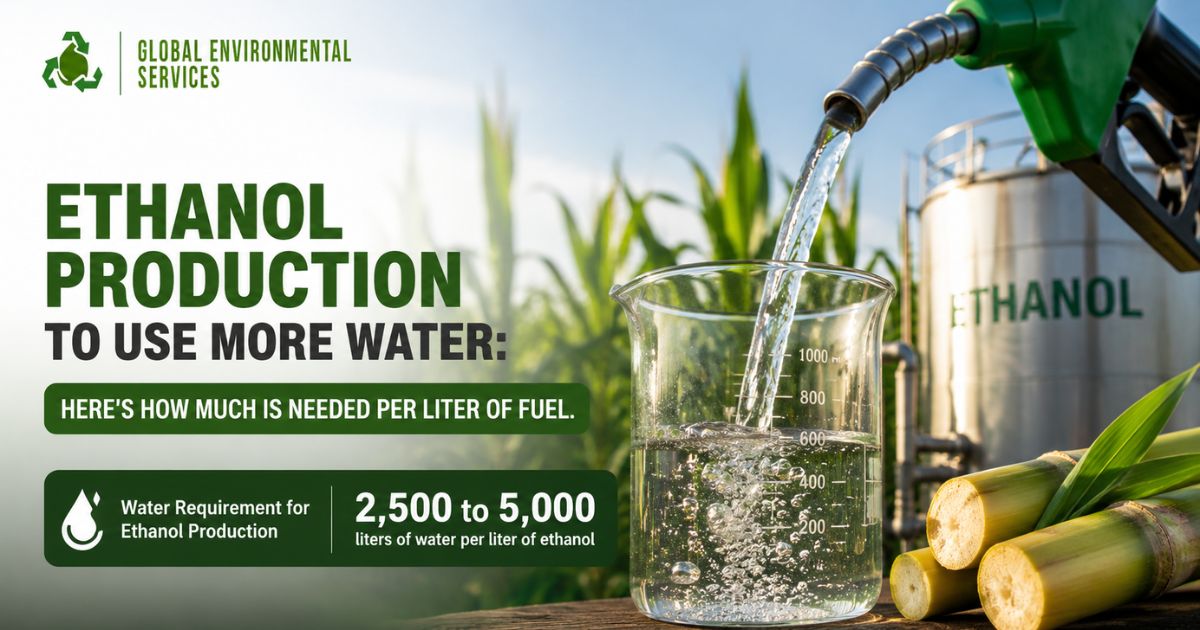
Ethanol Production: Why Water Is Essential in the Manufacturing Process
Ethanol production is gaining momentum as countries look for cleaner and more sustainable fuel alternatives. Water plays a crucial role throughout the ethanol manufacturing process, including feedstock preparation, fermentation, cooling, and purification. As governments push for higher ethanol blending in petrol, the demand for efficient production methods and resource management is becoming increasingly important.
How Much Water Is Needed to Produce 1 Liter of Ethanol?
The amount of water required to produce ethanol depends on the technology, raw materials, and efficiency of the production plant. On average, several liters of water may be used during the production of 1 liter of ethanol. However, modern ethanol facilities are adopting advanced recycling and water recovery systems to significantly reduce overall consumption and improve sustainability.
Water Conservation Challenges in the Ethanol Industry
As ethanol production expands, concerns about water usage are also growing. Large-scale manufacturing can put pressure on local water resources, especially in regions already facing water scarcity. To address these challenges, many ethanol plants are implementing water-saving technologies, wastewater treatment systems, and zero-liquid-discharge practices to minimize environmental impact and conserve valuable resources.
Ethanol’s Role in Energy Security and Sustainability
Ethanol is considered a renewable fuel that can help reduce greenhouse gas emissions and decrease dependence on imported fossil fuels. Increased ethanol blending supports farmers by creating additional demand for agricultural feedstocks while strengthening national energy security. However, balancing production growth with responsible water management will remain essential for ensuring the long-term sustainability of the ethanol industry.