
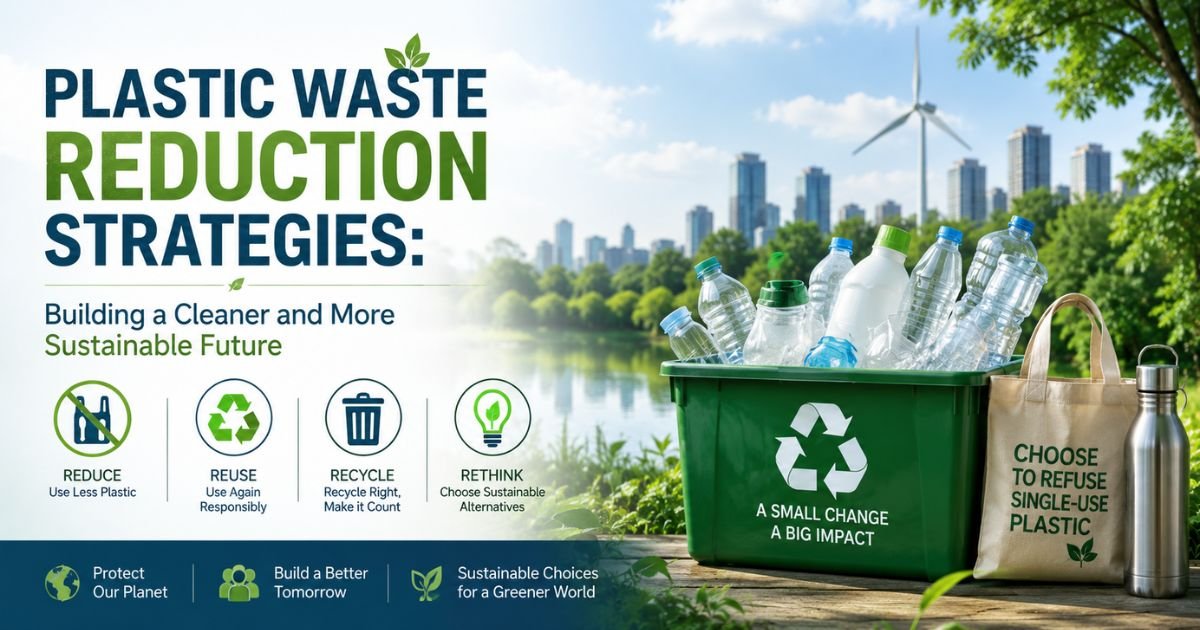
The Growing Need to Reduce Plastic Waste
Plastic pollution has become one of the world’s biggest environmental challenges, affecting oceans, rivers, wildlife, and even human health. Every year, millions of tons of plastic waste end up in landfills and natural ecosystems because of excessive consumption and poor waste management. Governments, businesses, and communities are now focusing on plastic waste reduction, plastic recycling, sustainable packaging, single-use plastic alternatives, and the circular economy to minimize environmental damage. Public awareness and responsible consumer choices are playing a vital role in creating long-term solutions for a cleaner planet.
Smart Recycling and Sustainable Alternatives
Reducing plastic waste requires more than simply recycling; it involves redesigning products and encouraging the use of eco-friendly materials. Many companies are investing in biodegradable packaging, reusable containers, and innovative recycling technologies that keep valuable materials in circulation. Popular sustainability practices such as zero waste lifestyle, recycling programs, eco-friendly products, biodegradable packaging, and green manufacturing are becoming increasingly important as businesses respond to consumer demand for environmentally responsible products.
Community Participation and Corporate Responsibility
Communities, schools, industries, and local governments all have an important role in reducing plastic pollution. Educational campaigns, waste segregation, collection drives, and extended producer responsibility programs help improve recycling rates while reducing unnecessary plastic consumption. Businesses that adopt ESG sustainability, corporate environmental responsibility, plastic-free initiatives, waste management solutions, and environmental sustainability not only strengthen their brand reputation but also contribute to long-term environmental protection and resource conservation.
The Future of Plastic Waste Management
The future of plastic waste reduction depends on innovation, stronger environmental policies, and collective action from individuals and organizations. Advanced recycling technologies, smart waste collection systems, and sustainable product design are expected to transform the way plastic is produced, used, and recovered. As demand grows for plastic recycling technology, sustainable development, green innovation, environmental conservation, and circular economy solutions, reducing plastic waste will remain a global priority for protecting natural resources and creating a healthier future for generations to come.