1. Recycling Helps Reduce Waste
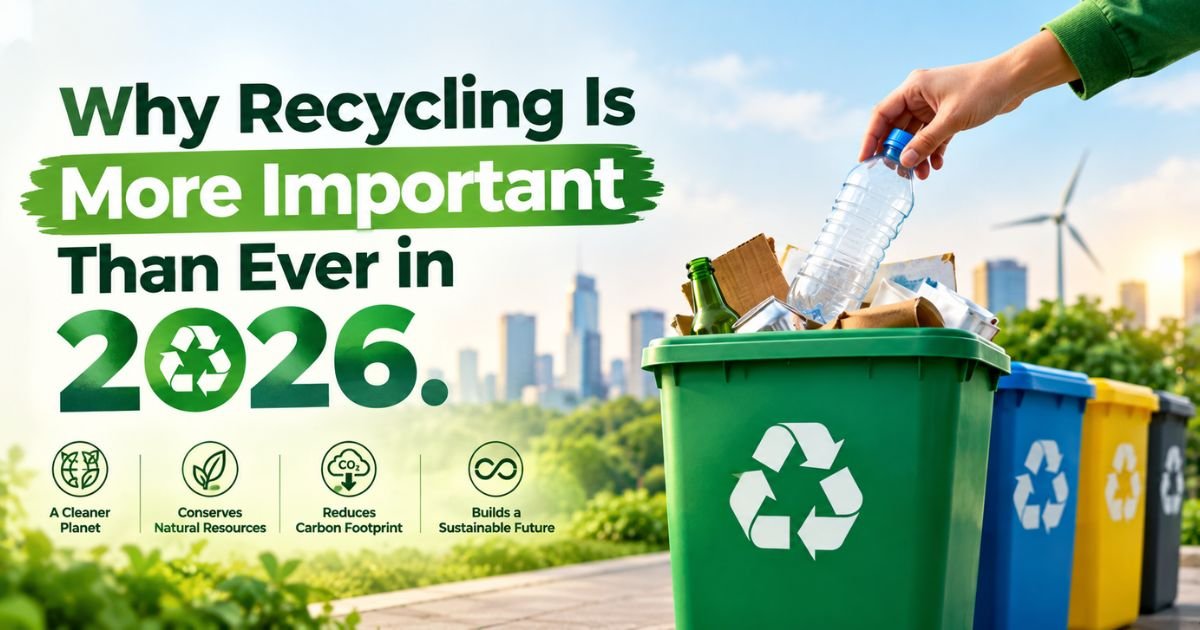
Recycling is more important than ever because the amount of plastic waste, household waste, and industrial waste continues to increase. Recycling helps turn used materials such as paper, plastic, glass, and metal into useful products instead of sending them to landfills. Proper waste management can reduce pollution and help keep our communities cleaner.
2. Recycling Protects the Environment
A strong recycling system can help reduce the environmental impact of waste. When materials are recycled, fewer natural resources are needed to make new products. Recycling can also help reduce air pollution, water pollution, and land pollution caused by improper waste disposal. Small recycling habits can make a meaningful difference to the environment.
3. Recycling Saves Natural Resources
Many everyday products require valuable natural resources such as trees, water, minerals, and energy. Recycling allows these materials to be used again instead of constantly taking new resources from nature. Sustainable living and responsible consumption are becoming increasingly important as communities look for better ways to protect natural resources for future generations.
4. Everyone Has a Role in Recycling
Recycling is not only the responsibility of governments or large companies. Individuals, schools, offices, and businesses can all support environmental sustainability by separating waste and choosing recyclable products. In 2026, better plastic recycling, waste reduction, and sustainable practices can help create cleaner communities and a healthier planet for everyone.