
Understanding Environmental Compliance for Sustainable Business Growth
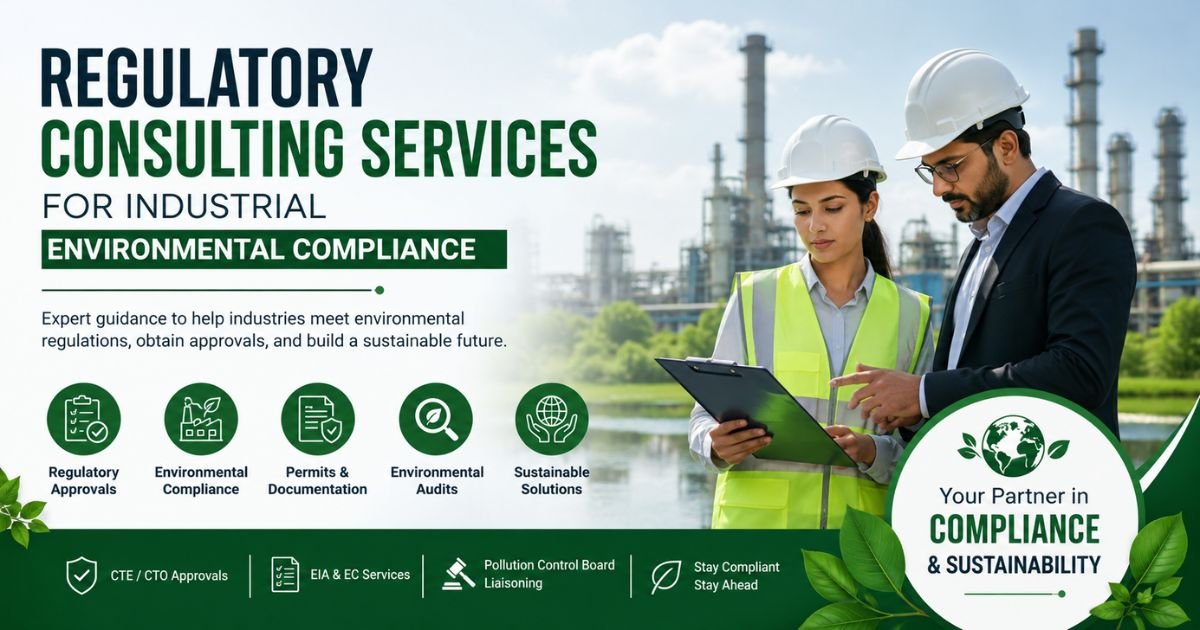
Environmental compliance is becoming a top priority for industries aiming to meet government regulations while protecting natural resources. Every manufacturing unit must follow environmental laws related to air pollution control, wastewater treatment, hazardous waste management, and industrial emissions. By adopting proper compliance practices, businesses can avoid legal penalties, improve operational efficiency, and build a positive reputation. Professional environmental consulting services help industries understand changing regulations and implement practical solutions that support long-term sustainability.
Pollution Control Solutions That Improve Industrial Performance
Modern pollution control systems are essential for reducing environmental impact without affecting production. Solutions such as Effluent Treatment Plants (ETP), Sewage Treatment Plants (STP), Air Pollution Control Systems (APC), Zero Liquid Discharge (ZLD), and industrial water treatment help organizations manage waste responsibly. These technologies not only ensure regulatory compliance but also reduce operating costs through water recycling and resource optimization. Investing in pollution control demonstrates a company’s commitment to environmental protection and sustainable industrial development.
Why Regulatory Consulting Matters for Every Industry
Environmental regulations continue to evolve, making expert regulatory consulting more valuable than ever. Consultants assist businesses with environmental impact assessments (EIA), pollution control board approvals, consent to establish (CTE), consent to operate (CTO), environmental audits, and compliance documentation. Their expertise minimizes project delays, simplifies approvals, and helps companies stay compliant with national and state environmental standards. A proactive compliance strategy also strengthens investor confidence and improves corporate credibility.
Building a Greener Future Through Environmental Engineering
Sustainable industries rely on innovative environmental engineering to reduce pollution and conserve valuable resources. Integrating RO plants, DM water plants, wastewater recycling systems, energy-efficient technologies, and environmental management systems enables businesses to achieve both environmental and financial goals. Companies that invest in green infrastructure are better prepared for future regulations while enhancing productivity and brand value. Environmental compliance is no longer just a legal requirement—it is a strategic investment in long-term business success and environmental responsibility.